Independent evaluation report published for the Know Your Neighbourhood Fund
A new independent report explores evaluation findings from KYN Fund delivery between January 2023 and March 2025.
What is the Know Your Neighbourhood Fund?
Between January 2023 and March 2025, the Know Your Neighbourhood (KYN) Fund invested up to £30 million to widen participation in volunteering and tackle loneliness in 27 disadvantaged areas across England. In this period, UK Community Foundations (UKCF) managed £15 million of funding, delivered through nine participating community foundations.
Originally scheduled to end in March 2025, the KYN Fund was extended to run until March 2026, with up to an additional £4.5 million of funding, of which UK Community Foundations managed £2.3 million.
Between January 2023 and March 2026, community foundations distributed a total of 190 grants between January 2023 and March 2026 to local community-led projects.
The programme engaged a total of 144,632 participants across its funding streams.
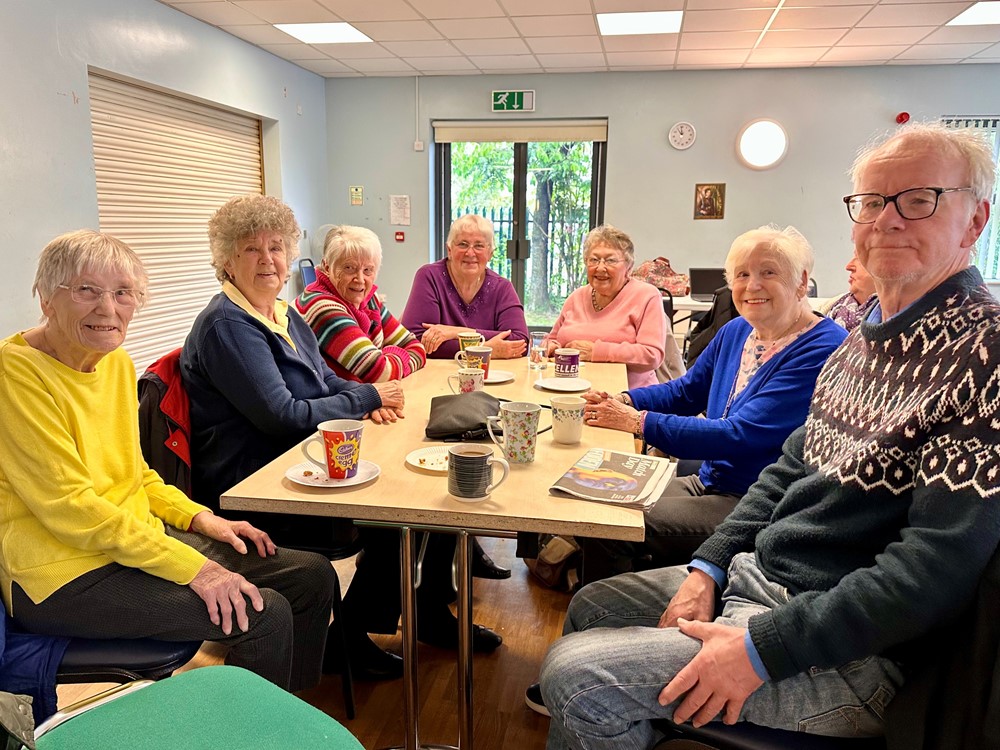 People meeting up at a community centre in Cambridgeshire
Independent report shares learning from successful approaches
A key focus of the KYN Fund has been to generate and share learning on how people in disadvantaged areas can be supported to volunteer and improve their social connections, which will help to support sustained action beyond the lifetime of the fund.
This independent report explores evaluation findings from KYN Fund delivery between January 2023 and March 2025.
It found that the KYN Fund successfully engaged people new to volunteering. Over half of volunteers (52%) reported they were volunteering for the first time through KYN‑funded activity.
Disabled people and those with long‑term health conditions were strongly represented. Nearly half of participants (48%) reported a long‑term disability or health condition, compared to 18% nationally.
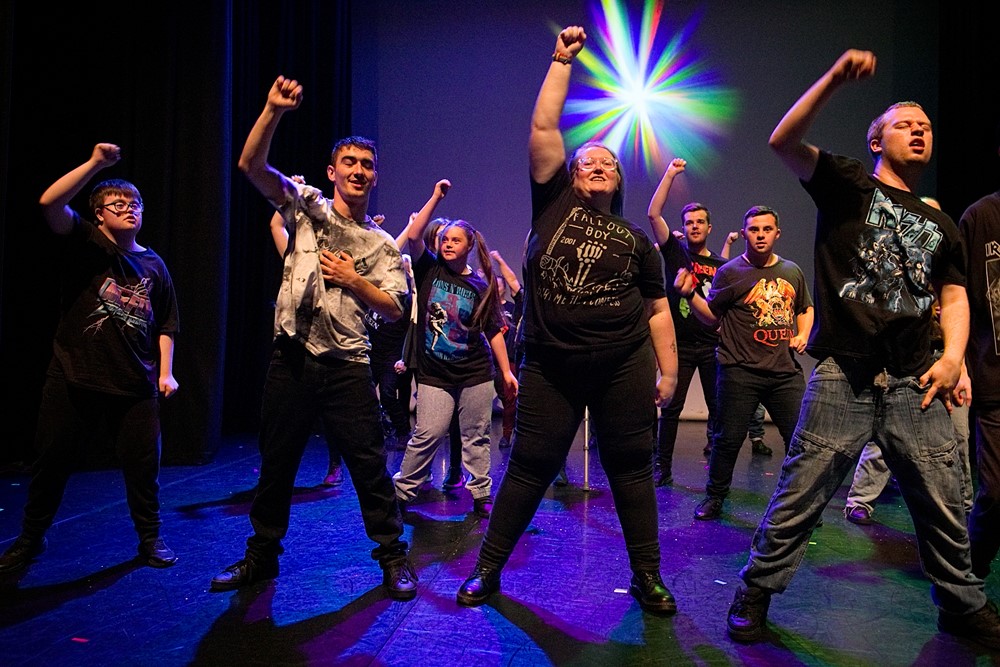 Performers at Tramshed Theatre in Blackpool
The report also found that the KYN Fund created conditions that supported participation by people at higher risk of chronic loneliness. '14% of participants reported feeling lonely often or always, compared to 7% nationally.’ At the same time, the evaluation highlights limits in how loneliness can be measured, noting that ‘there are recognised limitations in measuring loneliness which mean it can be challenging to capture impact in this area.’
Learning from the KYN Fund points to the importance of flexible, sustained funding approaches when working with communities experiencing chronic loneliness. The report highlights the value of flexible delivery, sufficient setup time and multi‑year approaches to building trust and engagement.
The report also identifies the role of place‑based delivery and local partnerships in supporting engagement and positive local outcomes. Local knowledge, trusted relationships and partnerships supported participation and were associated with improved feelings of belonging and neighbourhood connection. ‘Local partnerships, trusted relationships and community‑based assets were central to engaging participants.’
The report offers recommendations around recruitment and community engagement, project delivery and collaboration and evaluation approaches, which can be found on the gov.uk website. A full list of DCMS KYN Fund reports is here.