
When the flood comes: community-level preparedness
How are communities in the North of England building resilience against flooding?
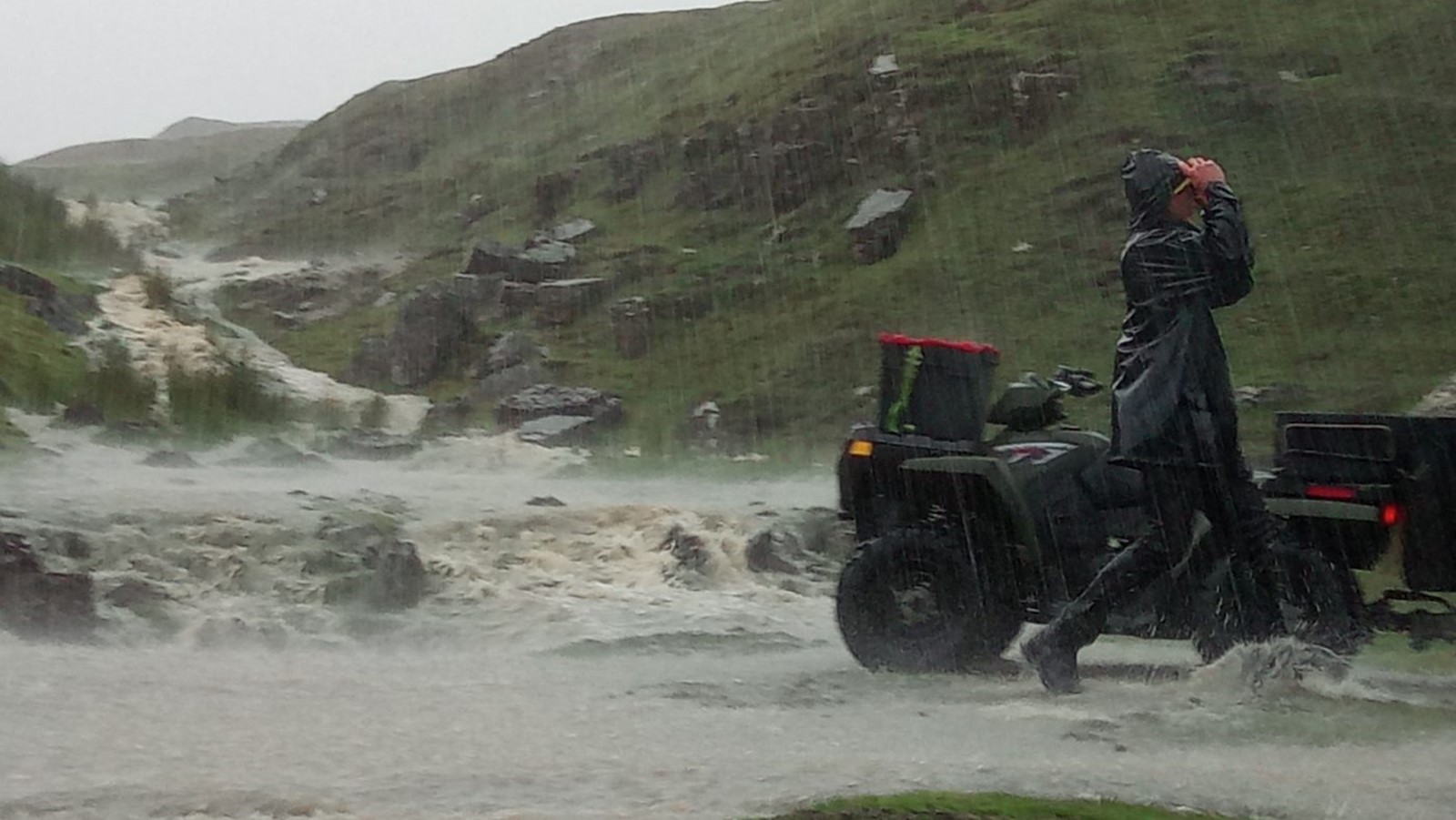
Communities across the North of England are living with the increasing reality of severe flooding. In places where homes, roads and farmland have been damaged repeatedly over many years, resilience is not only about responding in the moment. It is also about whether local people and organisations have the relationships, knowledge and support needed to recover over time.
Recovering from repeated flooding in Cumbria
Cumbria has experienced major flooding several times in recent decades, including severe floods in 2005, 2009 and during Storm Desmond in 2015. The 2015 floods affected more than 5,500 homes and 1,000 businesses, leaving thousands of people displaced from their homes. For some residents, it was the third or fourth time they had experienced flooding in less than a decade.
Alongside the immediate damage, local people responded quickly to support one another. Volunteers helped distribute food, clothing and other essentials, while community groups and residents organised clean-up efforts and practical support for people forced from their homes.
Cumbria Community Foundation launched the Cumbria Flood Recovery Appeal while flooding was still ongoing. The appeal supported individuals, families and community groups with practical, financial and emotional support during the recovery period.
One resident reflected on the impact of receiving support after the floods:
"Without the grant, I would have been homeless and housed in temporary accommodation unsuitable for my disability for months. Cumbria Community Foundation made me feel human."
The support also recognised the longer-term impact flooding can have on people’s wellbeing and sense of security. Funding helped some communities develop local resilience schemes intended to strengthen future flood preparedness and recovery.
Responding to sudden flooding in the Yorkshire Dales
In July 2019, intense rainfall caused widespread flooding across Swaledale, Wensleydale and Arkengarthdale in the Yorkshire Dales. The speed and localised nature of the storm meant there was little opportunity for communities to prepare before the flood water affected roads, bridges and homes.
The flooding also caused significant damage to farms and rural infrastructure, including grazing land, livestock, stone walls and railway lines. According to North Yorkshire County Council’s flood investigation report, 238 properties were affected.
Two Ridings Community Foundation responded by establishing a Flood Recovery Fund to support people affected by the flooding. Grants were distributed with support from a local grants panel made up of people from the affected area, helping ensure decisions reflected local priorities and experiences.
The funding helped communities cope with immediate disruption while also supporting longer-term recovery and resilience. The response reflected the importance of flexible local support following sudden shock events, particularly in rural communities where access to services can already be limited.
Supporting communities to adapt over time
Flooding affects every community differently, and recovery can continue long after flood waters have receded. The experiences of communities in Cumbria and the Yorkshire Dales show the role local organisations can play in helping people respond to disruption, navigate uncertainty and rebuild everyday stability over time.
Across the UK, community foundations continue to support local organisations working within their communities before, during and after periods of crisis. Their work is often shaped by local knowledge, trusted relationships and the flexibility to respond as community needs change.
Working together to support local preparedness
Community foundations are working with the National Emergencies Trust to build, connect and learn from local resilience against environmental shocks.